

Exhibition
Henri Cartier-Bresson
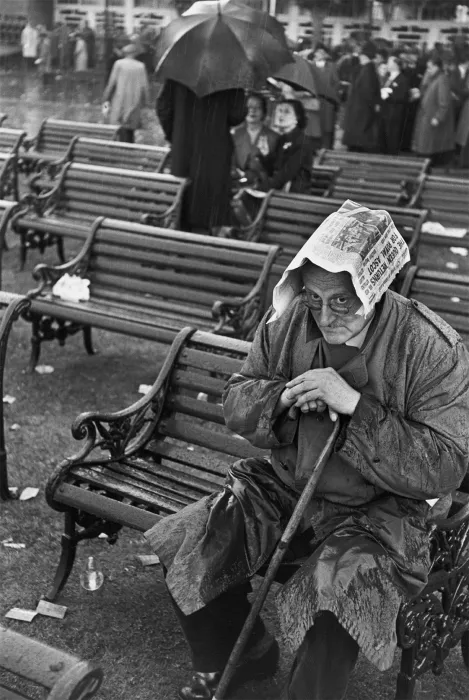
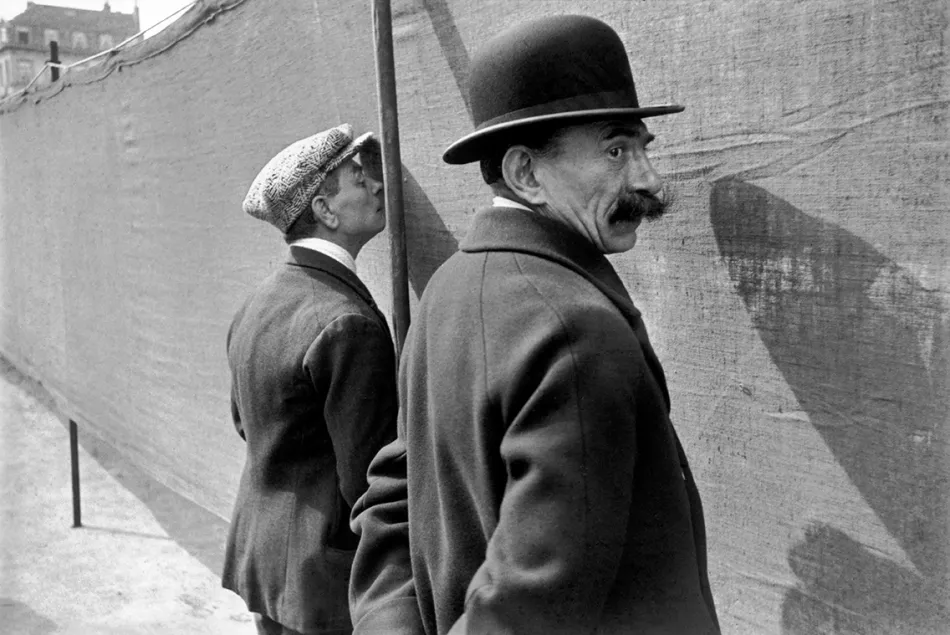
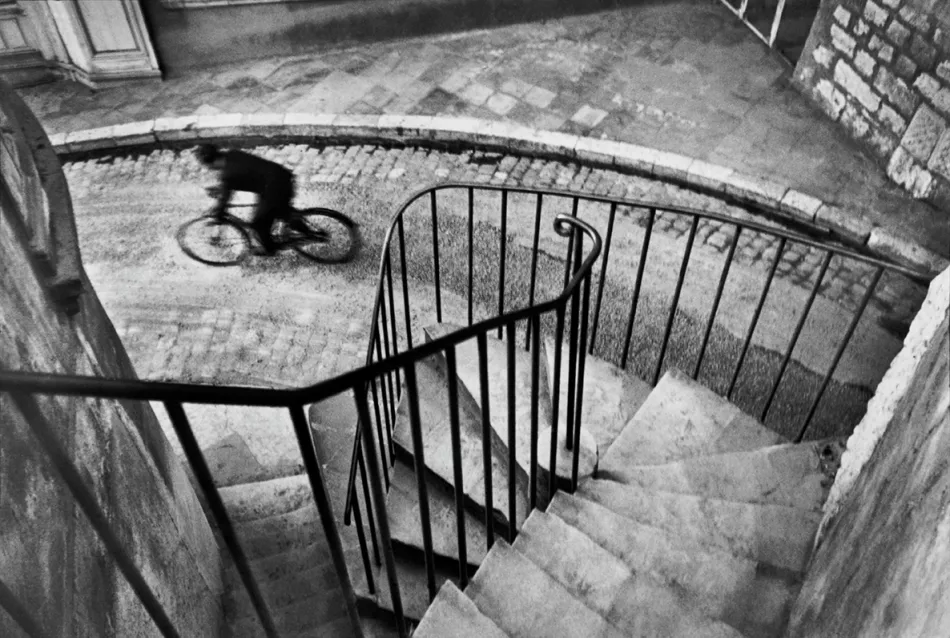
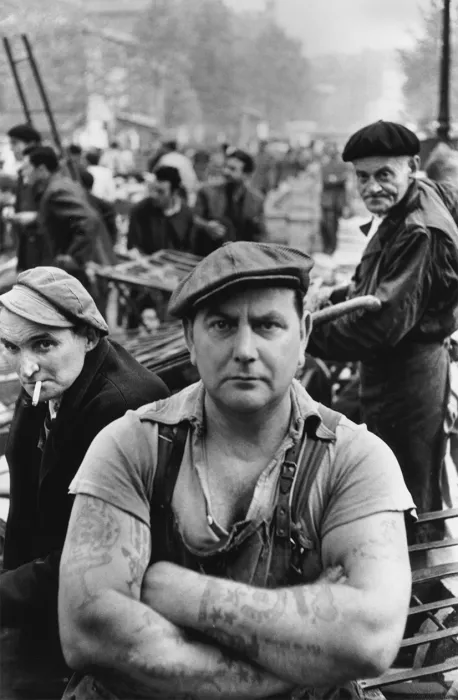
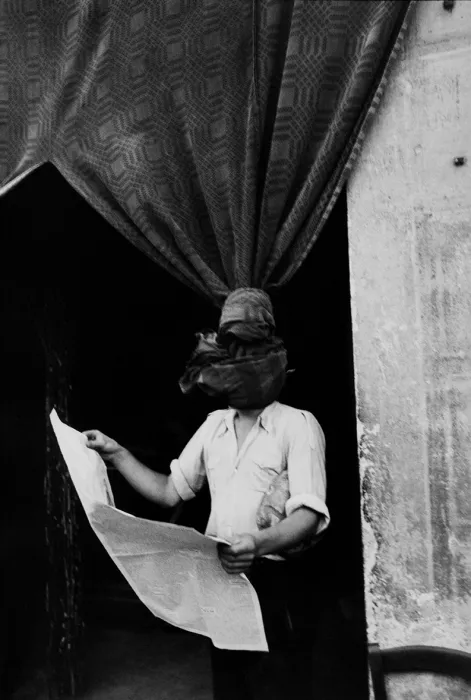
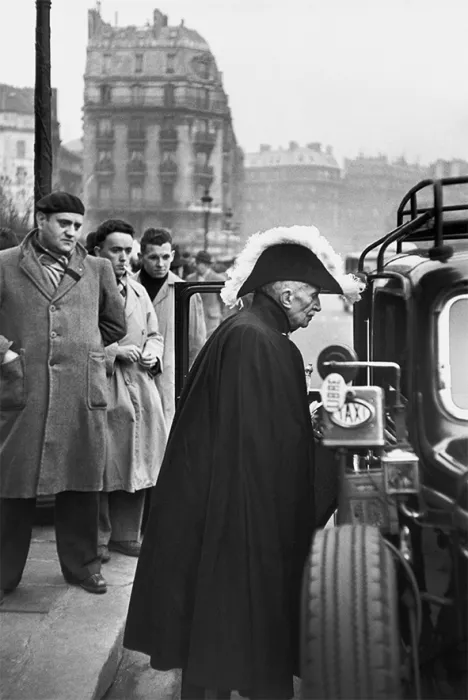
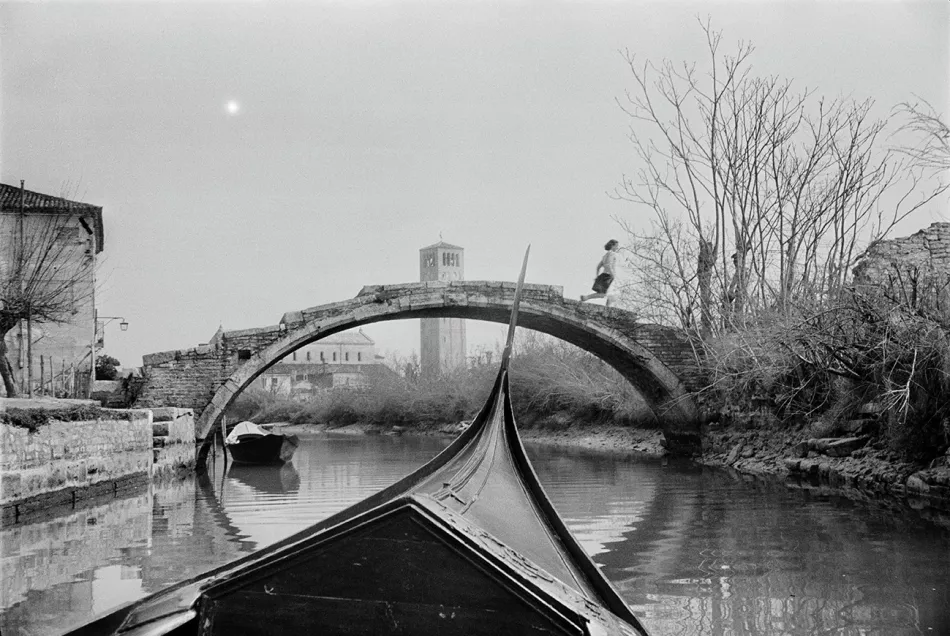
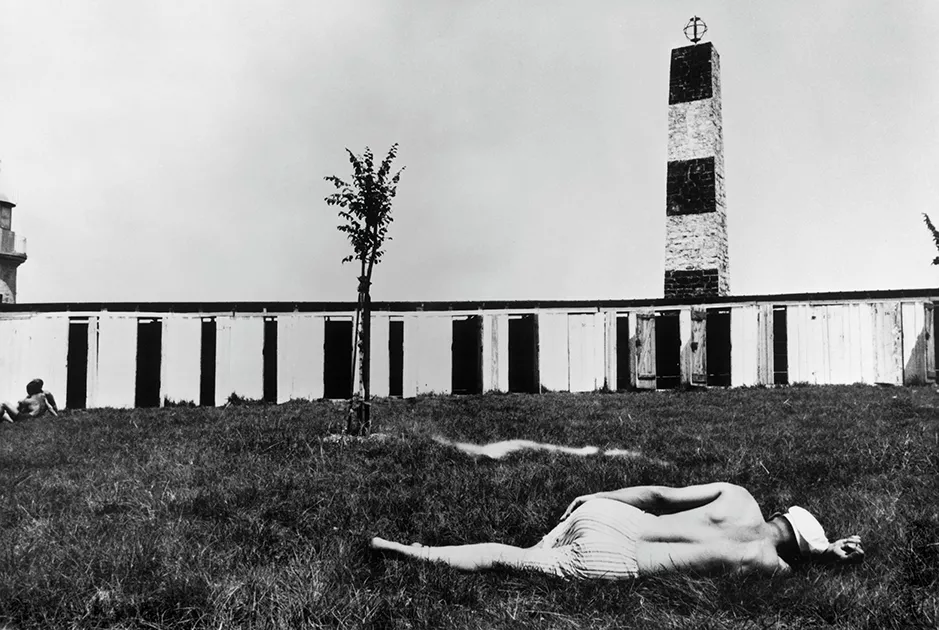
From November 5, 2026 to March 21, 2027To mark the bicentenary of the birth of photography, Caumont-Centre d’Art is devoting its winter exhibition to Henri Cartier-Bresson (1908–2004), one of the most important photographers of the 20th century. Nicknamed “the eye of the century,” he possessed an extraordinary ability to capture the very essence of his time. Featuring more than two hundred photographs, the exhibition follows the photographer’s journeys across Europe, bringing together some of his most iconic images with photographs that have rarely, if ever, been exhibited.
Henri Cartier-Bresson was a committed European. For nearly 70 years, from the beginning of his career in the 1930s until the end of his life, he travelled extensively throughout Europe. Through the people he encountered on his journeys—their expressions, gestures, celebrations, and customs—he created a vivid portrait of a continent undergoing profound transformation. His photographs reveal the distinctive character of its different peoples while highlighting the deep bonds that unite them. Unique and sincere, these images helped shape the vision of a multifaceted Europe that was still in the process of defining itself.
A major witness to the events of the 20th century, Cartier-Bresson documented the great political and social upheavals of his time. Travelling around the world, he captured pivotal moments in contemporary history through the lens of his camera, including Gandhi’s final days in India, the victory of the Chinese Communists, Russia during the “Thaw,” and the United States in the 1960s, where he paid particular attention to the struggle against racial segregation. Europe nevertheless remained his anchor. He travelled across the continent from the post-war period, marked by ruins and trauma, to the Cold War, when the foundations of the future European Union were beginning to emerge. His camera became a witness to a continent in the process of reconstruction.
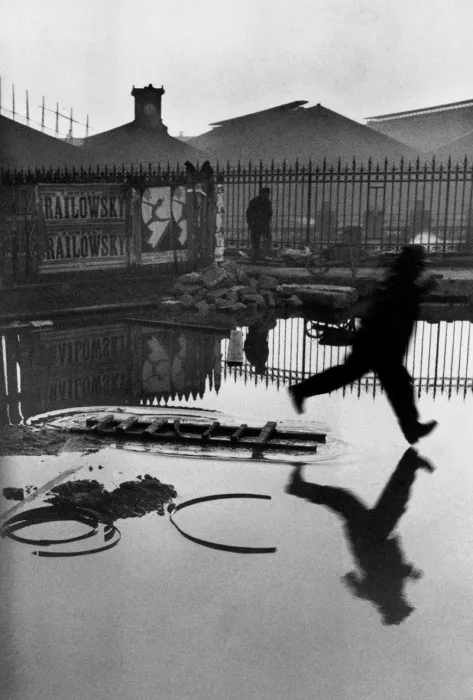
The Henri Cartier-Bresson exhibition therefore explores the work of the "eye of the century" from an original perspective: his relationship with Europe. The exhibition’s chronological journey retraces the key stages of his career. One of his masterpieces, Behind the Gare Saint-Lazare, provides an ideal introduction to the exhibition and its central themes. From the outset, it also highlights Cartier-Bresson’s enduring legacy and the evocative power of his work, which continues to inspire contemporary artists, before unfolding the story of a life that both witnessed and immortalised 20th-century Europe. From his early photographs, shaped by a philosophy of spontaneity and improvisation, to images documenting the tensions on the eve of the Second World War, as well as portraits of the European intelligentsia and the remarkable individuals he encountered during his travels, Cartier-Bresson’s work reveals a profound humanist sensibility. He absorbed the atmosphere of the places he visited and captured the essence of the Europeans he met. By photographing them tirelessly, he created recurring human types in a serial manner, reminiscent of Honoré Daumier, an artist he deeply admired and whose influence resonates throughout his work.
This exhibition is organised in partnership with the Fondation Henri Cartier-Bresson

With the support of:


The Team
CURATOR
Clément Chéroux has been Director of the Fondation Henri Cartier-Bresson in Paris since 2022. He previously worked at the Musée National d’Art Moderne – Centre Pompidou as Curator (2007–2012) and subsequently as Head of the Photography Department (2013–2016). He then served as Senior Curator at the San Francisco Museum of Modern Art (2017–2020), before becoming Chief Curator of Photography at the Museum of Modern Art in New York (2020–2022).
A historian of photography, Clément Chéroux holds a PhD in Art History and is a graduate of the École Nationale Supérieure de la Photographie in Arles. He has curated some sixty exhibitions, including the major Henri Cartier-Bresson retrospective at the Musée National d’Art Moderne – Centre Pompidou in 2014. He is the author of more than fifty books devoted to photography and its history.
PRODUCTION AND ORGANISATION
Emmanuelle Lussiez, Director of Exhibitions, Culturespaces
Milly Passigli, Director of Exhibition Programming
Madeleine Balansino, Head of Exhibitions, Caumont-Centre d’Art
Emma De Barros, Exhibition Coordinator
Livia Lérès, Mathilde Seys, and Domitille Sechet, Iconography, Culturespaces
Photos